

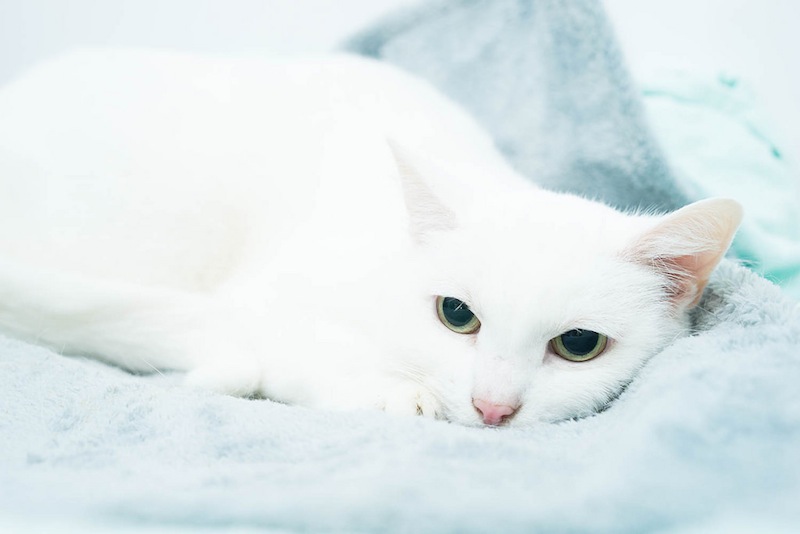
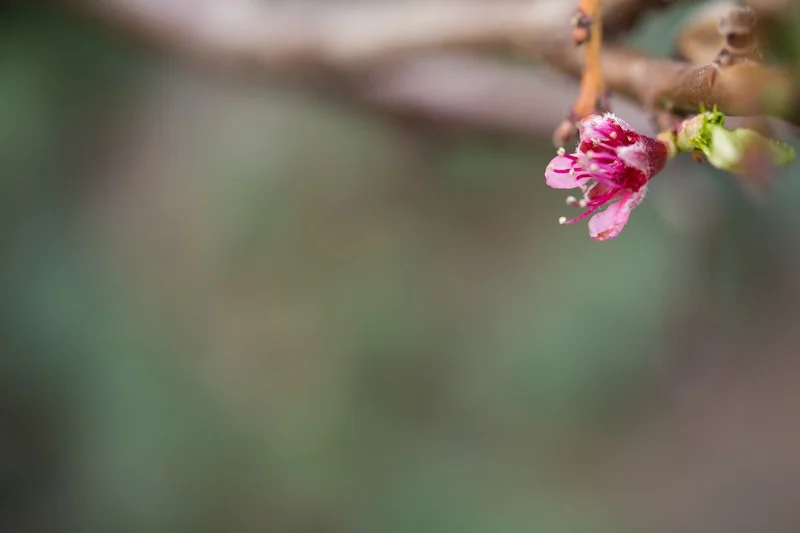
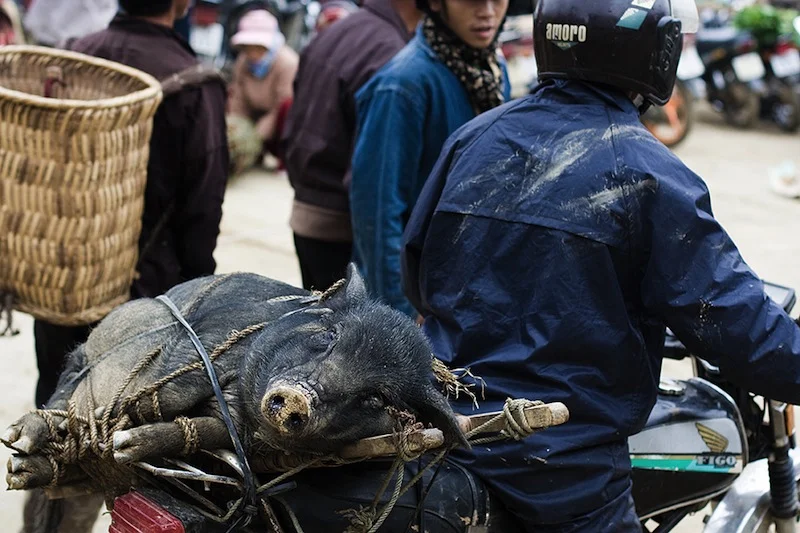
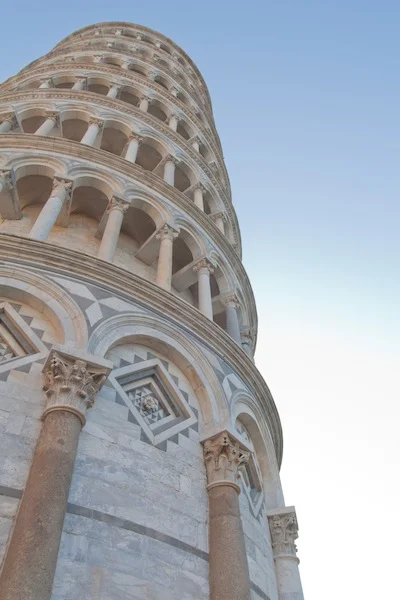
The Photocritic Photography Fundamentals magical mystery tour has reached 'l', for 'leading lines'. It's time to join these vital compositional tools in their seductive tango. Lines, they're important things. Train lines get you from A to B (occasionally via Z), cricketers are always looking to bowl good lines, and in photography they can make or break your images. Lines can be confrontational and restrictive, creating borders and boundaries, but they can also be alluring and sultry, drawing you into an image and not letting you go. These are 'leading lines' and they're powerful tools in your photographic arsenal.
There are, broadly speaking, four types of leading lines that you can introduce to your photos to give them depth and interest. There are both naturally occurring and man-made leading lines, and as a general rule, once you've seen one, you can't un-see it.
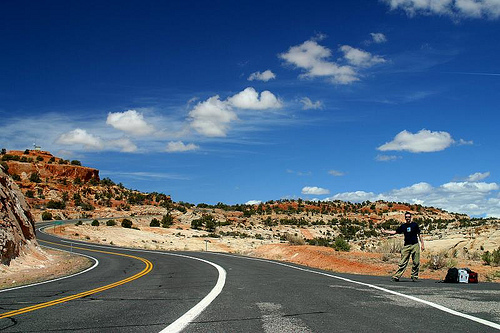
The first type of leading line is a path or roadway that creates a sense of depth in your photos. Parallel lines will naturally converge at a point owing to perspective, which means that any road will draw you into a photo and give you a sense of motion. These types of leading lines will make you feel as if you're going somewhere in your photo.
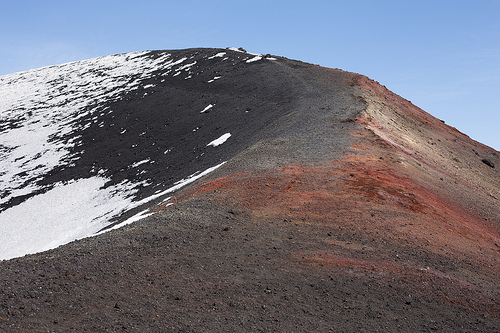
Next are leading lines that pull your eyes across the image and deposit you firmly at your subject. These lines don't have to be straight and they can be single or multiple, but they're just as effective as but more attractive than a neon sign flashing 'The subject is here!'
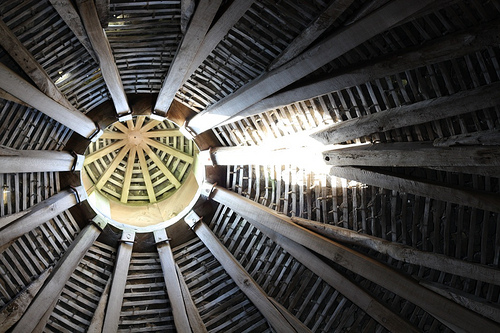
There are also lines that take you on a journey through an image, forming a narrative. These lines can be straight or curved as they lead you from one point to another.
Finally, look out for invisible lines that send the viewer from one point to another. If that sounds a bit elusive, think of people's eyelines. Humans are curious by nature and once we've made eye contact with someone, we'll automatically look to where she or he is looking, too. If your subject isn't looking directly at the camera, the viewer will follow her or his eyeline to see what's so interesting.

Roads and paths form obvious leading lines, but so do walls and fences, bridges and bricks. Nature's leading lines are formed from rivers, branches, stems, shorelines, and light and shadow. Lines don't have to be unbroken, but can be formed from several points, for example lamp posts or trees.
Once you start to use them, you realise what a powerful compositional feature they are, directing the eye, joining the dots, and completing the narrative.
TL;DR
- Leading lines are a compositional tool used to bring interest to your image
- They can add depth and perspective to a photo
- They can direct the eye to the photo's subject
- They can lead the viewer on a narrative journey through the image
- They can be implied lines, for example sightlines
- Leading lines can be created both naturally and by man-made objects


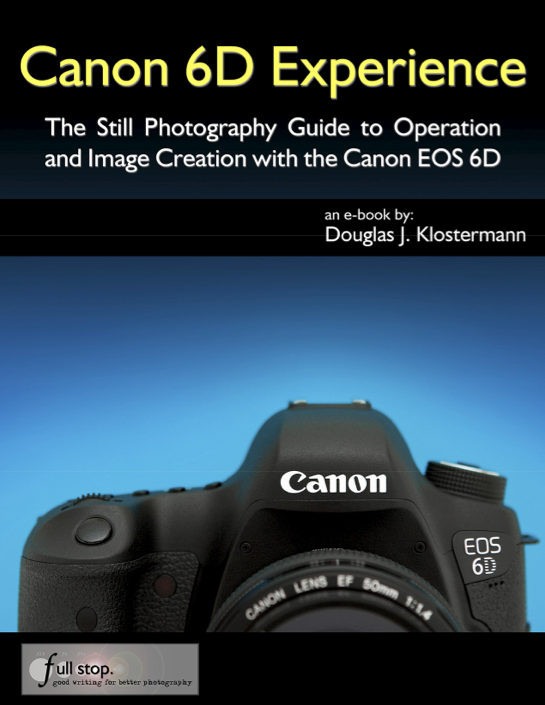 The Canon 6D Experience is part of Douglas J. Klostermann's series of e-book guides to Canon's and Nikon's dSLRs. There are ten Canon books and five Nikon books, ranging in price from $7.99 for guides to the oldest models of camera to $14.99 for the latest cameras. I've been taking a flick through it and seeing how it fits in with my use of my Canon 6D.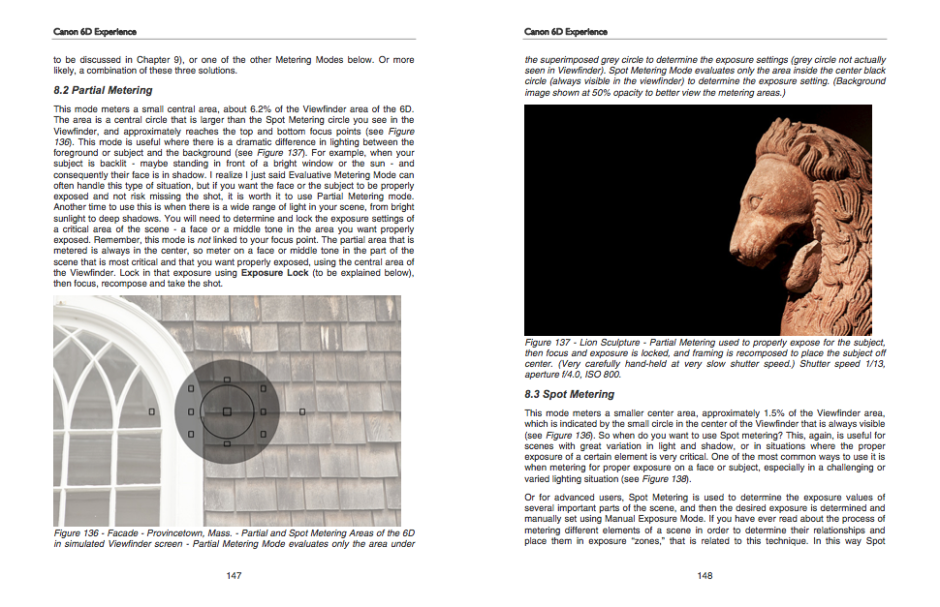
 When Metroprint, a British-based photographic print service, launched its Instagram print service in November last year, I did rather haul it over the coals. For a start, when I first gave it a go, I couldn't order prints direct from my smartphone, but had used a desktop interface, and when this piece of bad design or flawed planning was finally rectified, the interface sucked. I was far from impressed. You can probably tell from
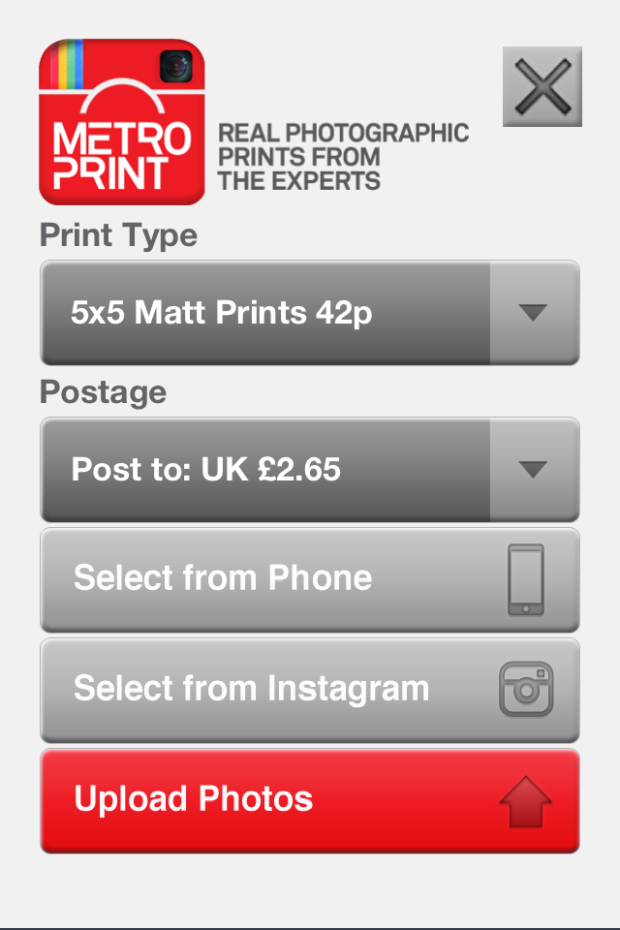
 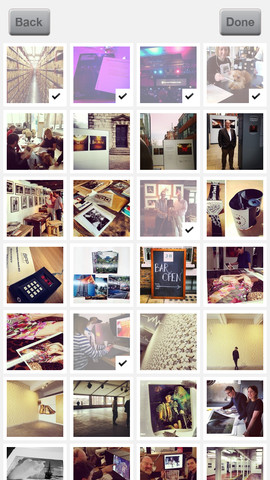 First impressions are indeed favourable. You hook up with Instagram from the app, select the images you'd like printed, opt for glossy or matt, upload the images, and pay via Paypal. Prints are 42p each. UK delivery is £2.65, European delivery costs £5, and anywhere else in the world is £5.50. You would, therefore, do well to bulk order as it's a little pricey for a single 5×5 print.